Long Term Management
Long term management of TBI will depend on the severity of the injury and the outcome after hospital treatment. Many will require rehabilitation to ensure they regain as much function as possible followed by management to ensure they get the best quality of life and can live as independantly as possible.
Rehabilitation
Rehabilitation should focus on continuing the patients recovery, preventing further problems and regaining lost function. The patient should expect to recieve care in the following areas:
Nursing care - to ensure the patient is comfortable and free of bed sores or infections and to help with daily activities such as washing and going to the bathroom.
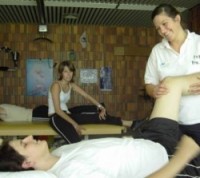
Physiotherapy - to stregthen weak muscles , improve balance and address any movement problems. Also to think about the measures that will be necessary for the patient to return home and be as independant as possible.
Psychotherapy and councelling - to help the patient come to terms with their disability and to deal with consequences such as depression, anxiety and anger. Counceling will also be provided to the family to help them come to terms with the effect of the brain injury.
Occupational therapy - to help the patient prepare for returning home and dealing with daily activities and tasks such as banking and shopping. Also to help the patient think about returning to work and how to go about getting the necessary skills and contacts
Re-learning skills - even simple tasks like dressing, washing and brushing teeth can be difficult for someone with a brain injury so re-learning these skills is essential in order for the patient to become as independant as possible when returning home.
Speech therapy - to help improve speech and communication which are commonly effected after TBI.
Management
Following rehabilitation, a management plan must be put in place to ensure that the person has all the help necessary to have a good quality of life and to be as independant as possible. This may include plans and provisions for:
Accessible home with necessary fixtures such as railings
A full time or part time carer depending on needs and availability of family
Access to transport
Access to a social network and stimulating activities
Regular respite care
Good communication set up appropriate to needs
Access to education
Access to employment