
Treatment
The outcome for a patient after a brain injury will depend on: age, health before injury and severity of the injury. These factors can not be reversed so treatment must focus on stabilising the patient and preventing secondary injury.
Many patients with minor injuries will only require a short period of monitoring and no active treatment before thay are discharged. More severe injuries require active treatment and monitoring until the patient becomes stable. This may take days, weeks or months depending on the injury and the response of the patient. When a patient is considered stable, treatment focuses more on rehabilitation and long term management of any lasting conditions.
Following admission for a moderate to severe brain injurie the patient is most likely to be monitored on a specialst intensive care unit. Treatment may include:
Stabilising the patient -
Making sure their airway is clear and that they are breathing
Stopping any immediate bleeding
Replacing lost fluids
Stabilising vitals like heart rate and temperature
Surgical Intervention
Removal of any debris from an 'open' injury - this will usually require a craniotomy where the surgeon removes the damaged part of the skull to look at the wound more closely and remove broken bits of skull which could damage the brain further.
Removal of any blood around or in the brain - This may require a craniotomy or can sometimes be drained less intrusively.
Cessation of any bleeding - This will require the surgeon to identify the leaking vessel and surgically stop the bleeding. A bleed into the brain can happen at any time after injury so the patient must be constantly monitored for signs of haemorrhage or deterioration.
Prevention of secondary injury -
Maintaining blood pressure and blood glucose (sugar) levels which will require administration of intravenous fluids through a cannula in the wrist.
Maintaining adequate ventilation which may require the patient to be on a mechanical ventilatior
Continuous monitoring of ICP (intracranial pressure) - this can be done through an intracranial pressure bolt inserted into the brain or can sometimes be picked up on scans.
Precautions taken to keep ICP from increasing - this can be through drugs such as barbituates that induce coma and diuretics that reduce blood volume. Mild hyperventilation (short, quick breathes induced through mechanical ventilation) can also lower ICP. If the pressure becomes potentially fatal surgical intervention will be needed.
Prevention of post-traumatic seizures - This can be through medication such as barbituates that induce comas.
Prevention of infection - this mainly applies to open or penetrative injuries or the surgical wounds which are vulnerable to infection. This requires aseptic protocols to be strictly adhered to.
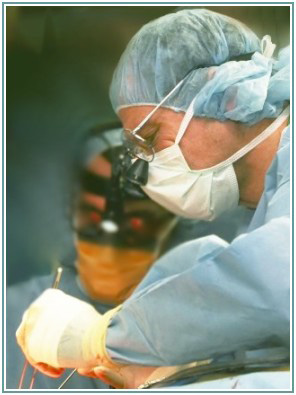
Image courtesy of Wikimedia Commons under the GNU Free Documentation License